Research Explores Link Between Cultural Connection and Mental Wellbeing
Te Whare Wānanga o Awanuiārangi is leading a multidisciplinary research effort examining the relationship between culture, identity and mental health. The findings reveal a quantifiable and measurable relationship between a stronger cultural connection and lower levels of anxiety and depression.
The study draws on antenatal data from Growing up in New Zealand, a large longitudinal study that began recruiting participants in 2009 and 2010. It examines the relationship between cultural connection and mental health indicators among Māori mothers and their partners - with a sample size of almost 2000.
The findings show clear associations between stronger cultural connections and fewer mental health concerns. This includes associations between connection to traditional culture and lower levels of perceived stress, as well as lower odds of participants reporting a previous diagnosis of depression or anxiety.
Awanuiārangi Executive Director of Research and Innovation, Professor Te Kani Kingi, explains the significance of the research.
“While the relationship between culture, identity, and mental wellbeing has long been promoted, few studies have been able to offer this type of empirically driven evidence.
“Insofar as these findings might inform mental health policy and service delivery, the research provides clear evidence of the idea that a strong culture and identity will support wellbeing.
“Further still, strategies designed to promote Māori mental health should necessarily include cultural components and interventions.”
The full report will be released in due course, providing further detail on the research, methodology, analysis, and findings.
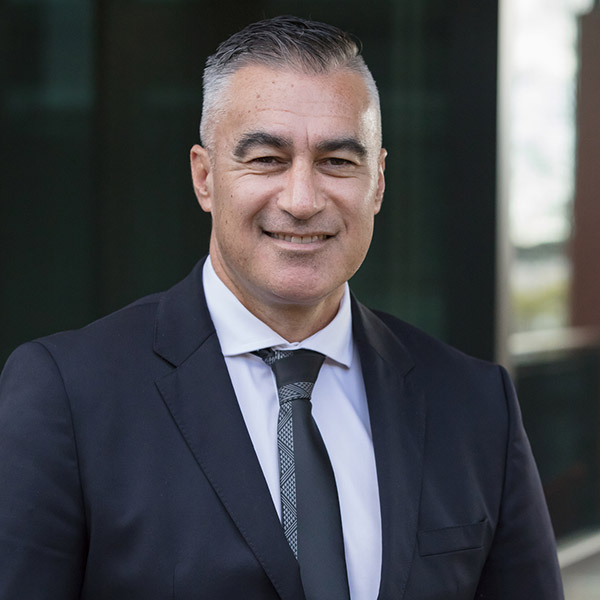
Awanuiārangi Executive Director of Research and Innovation, Professor Te Kani Kingi
Te Aratiatia ki te Hauora - Mental Health and Wellbeing Research
Find about more about our research projects

Te Aratiatia ki te Hauora
Whakapā mai/Contact us
For enquiries related to this article, please contact us.
Hope Rolleston
- Phone: 027 236 6316
- Email: hope.rolleston@wananga.ac.nz
Related News
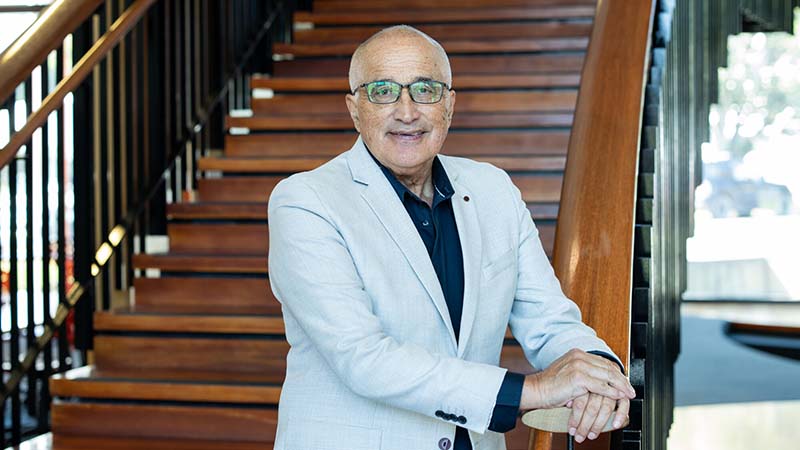
Awanuiārangi Reo Māori Research and Scholarship Headed to Canada
Published date : Fri, 09 October 2026 03:53 pmTe Whare Wānanga o Awanuiārangi Professor Taiarahia Black will take te reo Māori research and scholarship to Canada later this month, alongside several local Māori media, and Māori tourism initiatives.
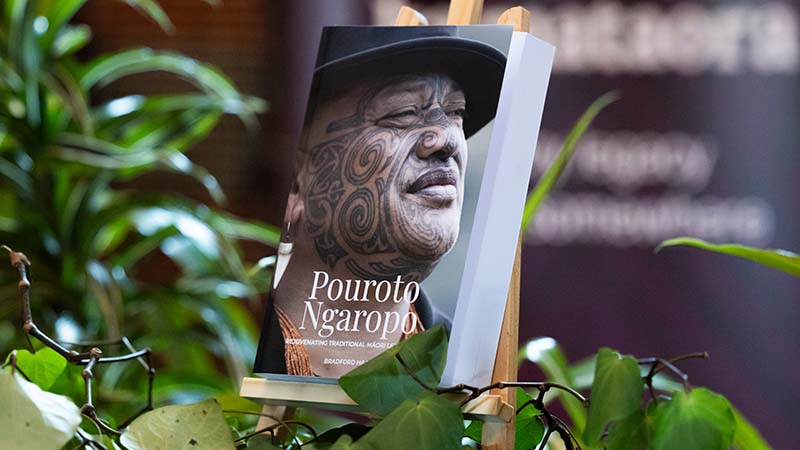
Dr Pouroto Ngaropo Launches New Biography
Published date : Tue, 29 September 2026 01:10 pmThe life and legacy of Awanuiārangi Council advisor, Dr Pouroto Ngaropo, were celebrated at Te Mānuka Tūtahi Marae, as people gathered to mark the launch of his new biography, Pouroto Ngaropo— His Story: Rejuvenating Traditional Māori Leadership.
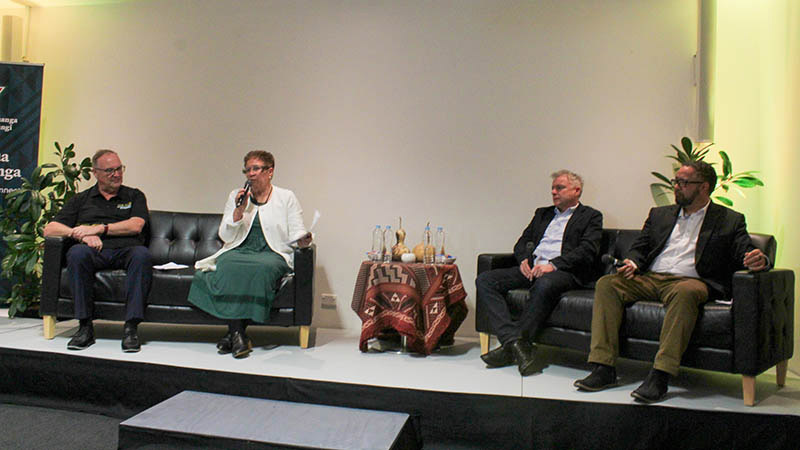
The inaugural Toi Te Ihi Regional Prosperity Summit
Published date : Wed, 23 September 2026 11:46 amMore than 100 leaders from across the Eastern Bay of Plenty gathered at Te Whare Wānanga o Awanuiārangi on Friday to explore what prosperity means for our region and how we can work together to create a stronger future for generations to come.
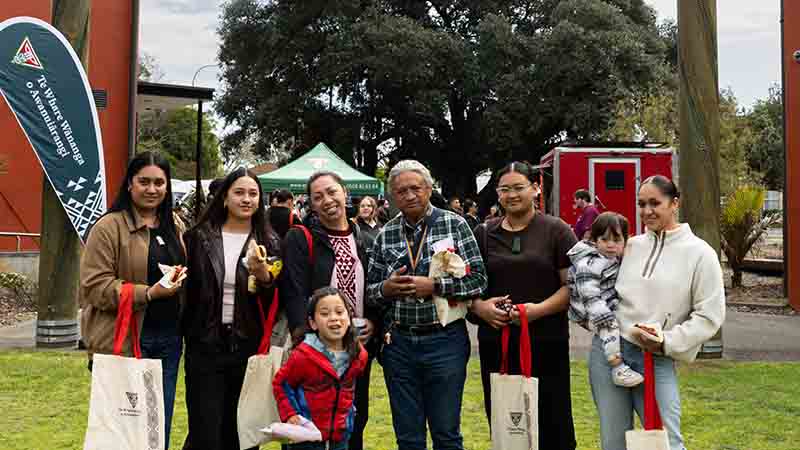
Open Day Events 2026
Published date : Wed, 16 September 2026 08:21 pmProspective tauira, including rangatahi, whānau, community groups and businesses, came through the doors of Te Whare Wānanga o Awanuiārangi at two Open Day events held over the past week.