Global Philanthropic Leaders Visit
Global Philanthropic Leaders inspired by Wānanga education model
A delegation of 12 international philanthropic leaders have been inspired by the way that indigenous worldviews are actively shaping educational change in Aotearoa. The group was hosted by Te Whare Wānanga o Awanuiārangi this week as part of Systems Change in Context: Māori Education Transformation in New Zealand, led by Distinguished Professor Linda Tuhiwai Smith.
Representatives from the Spencer Foundation, Hewlett Foundation, The Philanthropic Collaboration for Education, and the Southern Education Foundation travelled to Aotearoa to deepen their understanding of indigenous-led educational transformation.
At the Wānanga, they joined a knowledge-sharing session that explored Māori education within local tribal contexts, including the history and development of Awanuiārangi.
Heads of School and Bachelor of Education lecturers shared their personal journeys and mātauranga, illustrating how cultural whakapapa, tribal partnerships, and shared values collectively uphold Māori education aspirations, strengthen cultural revitalisation, and foster transformative outcomes for learners.
Among the delegates was Na’ilah Suad Nasir, President of the Spencer Foundation in Chicago, who shared a deeply personal reflection on why this visit mattered to her.
“Our mission is to support the improvement of education, in the United States, but globally as well. One of the challenges we’ve been wrestling with is how you transform colonial, racist systems that were built on oppression. How do you change those systems so that young people can be whole, and can realise their full potential?
“Being able to interact with your community and the institutions you’ve built is an example of what’s possible. It expands our thinking about what it really means to do this work in education.
“It’s not just about developing the brain or preparing people for the workforce— it’s about intergenerational wholeness, and a community’s capacity to hold and develop its young people in a way that doesn’t cut them into pieces.
“When I was pregnant with my son, 20 years ago, I remember worrying about how he would navigate schools in the U.S., especially as a Black boy. At a meeting in Bellagio, Italy, I heard someone talk about the Māori education system, and thought, I must see that for myself.
“It took me 20 years to get here, but standing here now, it feels like I’m finally seeing what I hoped existed.”
The visit also gave Na’ilah a chance to consider how what she saw at Awanuiārangi might influence the way she approaches education systems and community advocacy in her work.
“What’s really striking to me is how everything here is connected. Teacher preparation, pathways into nursing, community advocacy, and the broader work of the wānanga.
“There’s a real science to what it means to be in and of culture and community and seeing that in practice shows me what’s possible.
“it’s not just about opening schools or delivering programmes; it’s about creating an education system that truly reflects these values.
“Back home, we’ve often thought of things like research, policy, and teacher training as separate streams. But seeing how they are integrated here is a powerful learning, and it’s something I will take back with me.”
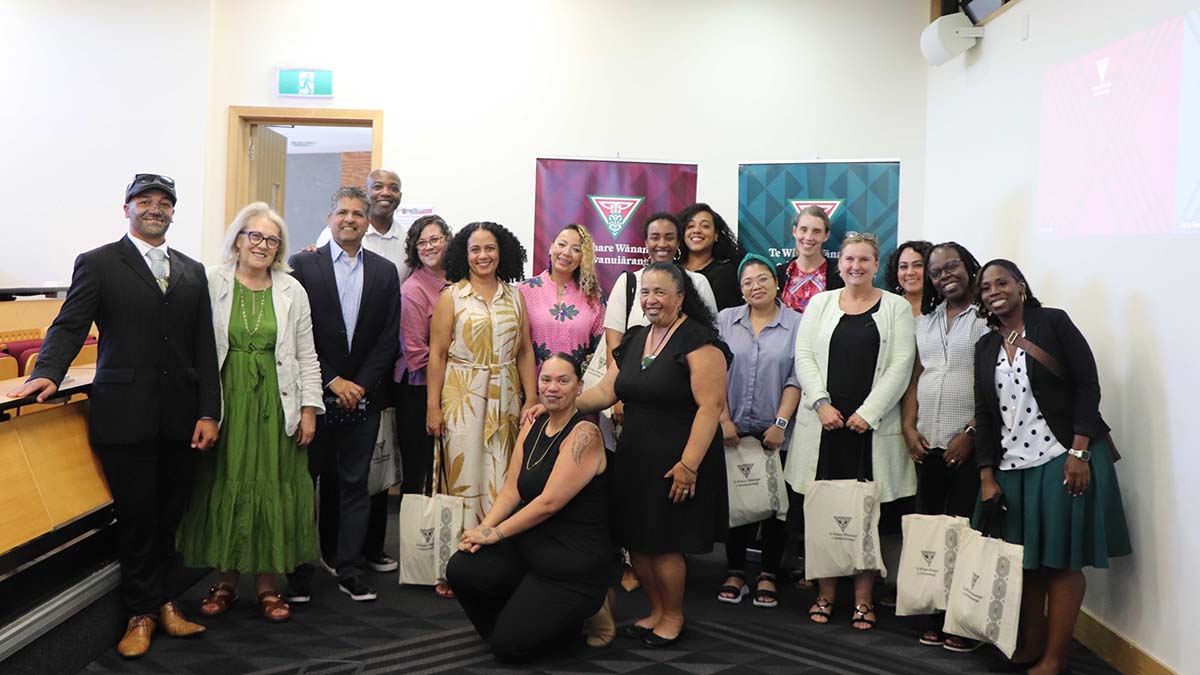
Delegates with Wānanga lecturers of the Bachelor of Education
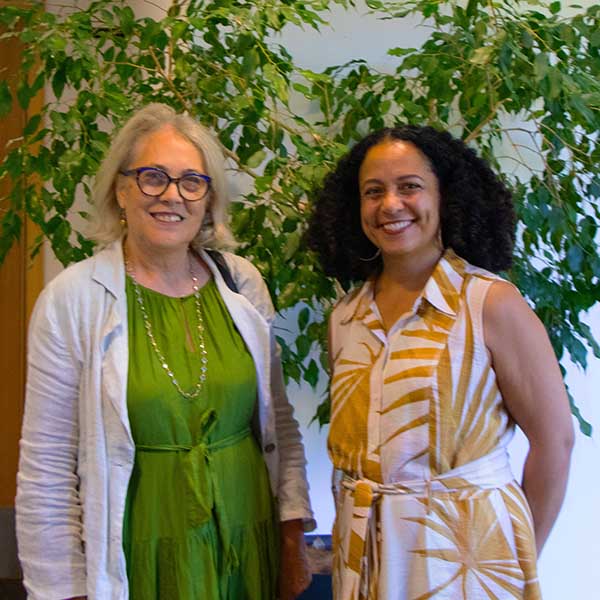
Philanthropist and President of the Spencer Foundation Na'ilah Suad Nasir with Distinguished Professor Linda Tuhiwai Smith during their visit at Awanuiārangi.
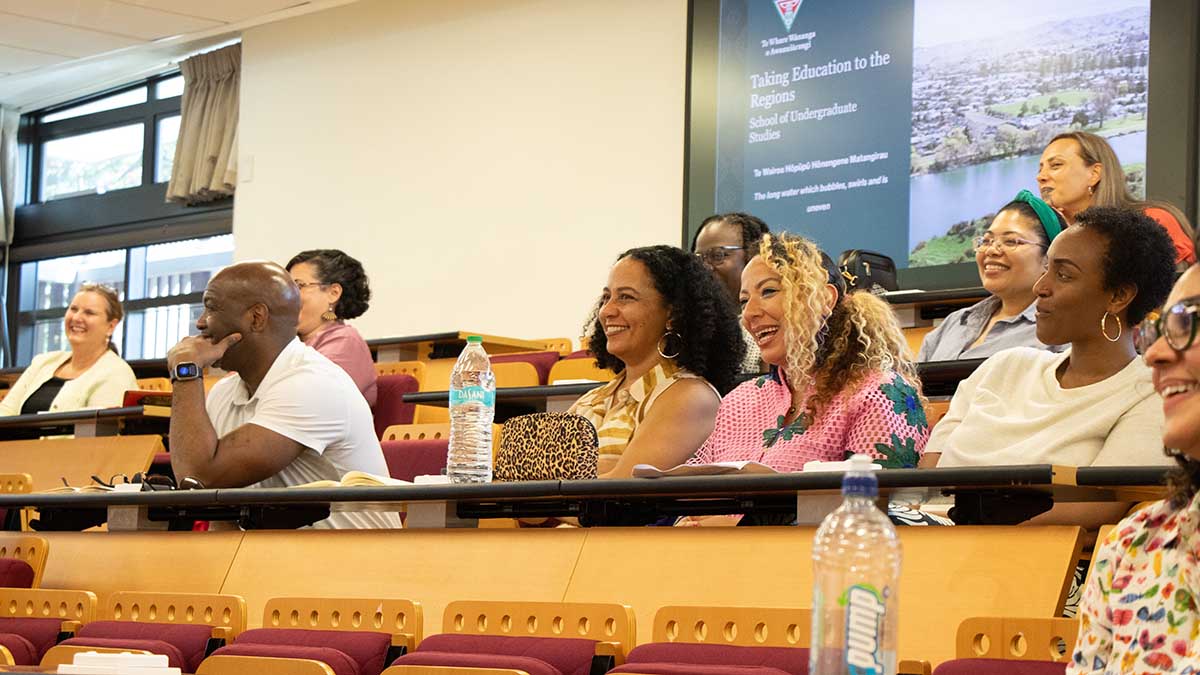
Delegates get a rare look into culturally grounded education
Whakapā mai/Contact us
Hope Rolleston
- Phone: 027 236 6316
- Email: hope.rolleston@wananga.ac.nz
Related News
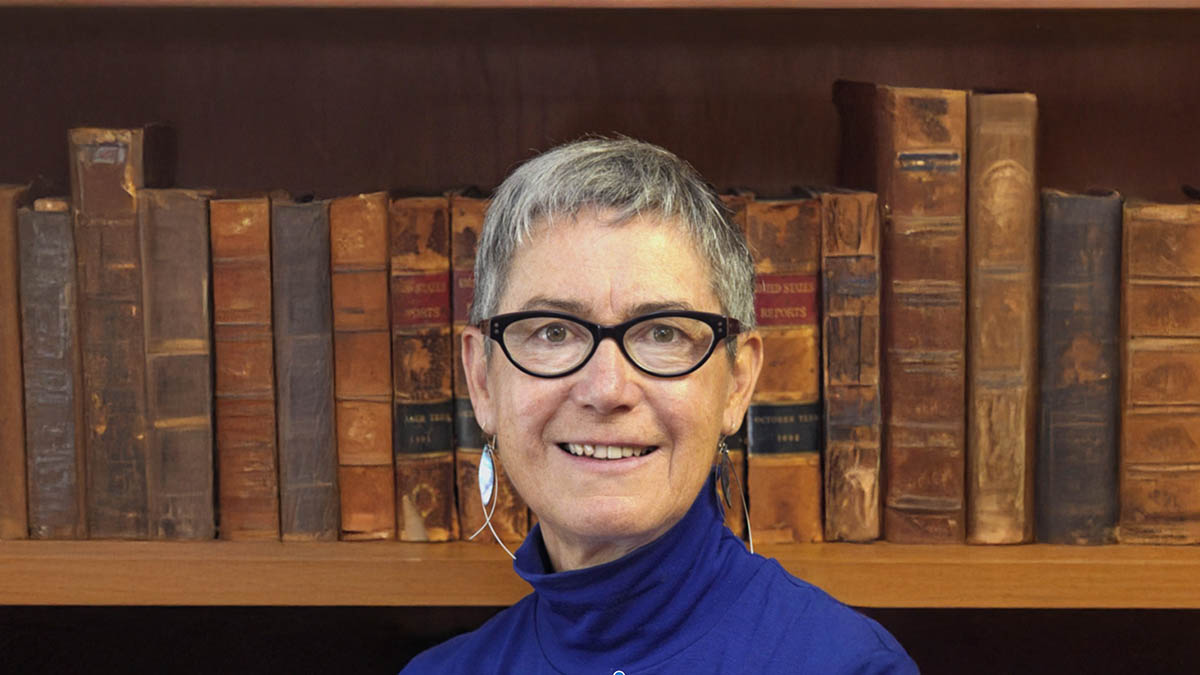
Wānanga Welcomes Emeritus Professor Delivering Paper on Constitutional Transformation
Published date : Thu, 22 January 2026 04:05 pmEmeritus Professor Jane Kelsey joins Te Whare Wānanga o Awanuiārangi as a guest lecturer in 2026, delivering a new Master’s paper that brings critical Māori constitutional thinking into the international arena
Christmas closure information 2025-2026
Published date : Mon, 15 December 2025 04:22 pmTe Whare Wānanga o Awanuiārangi wish to advise of our festive season closure hours and dates.
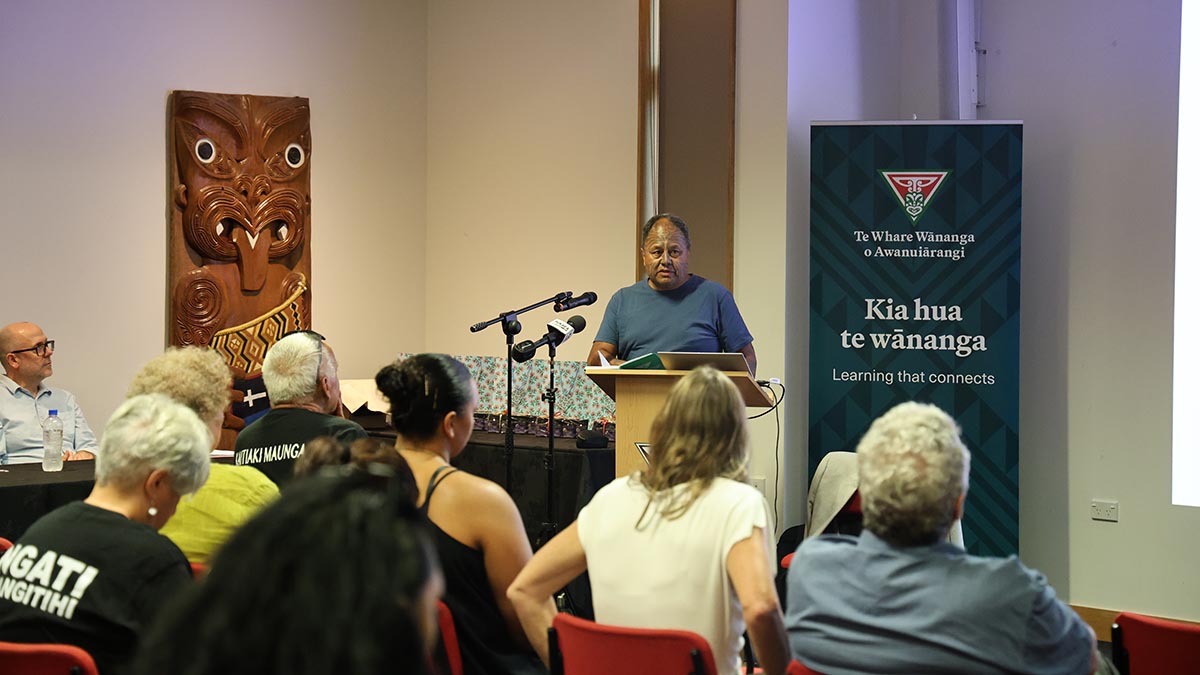
Climate Change Summit 2025
Published date : Mon, 01 December 2025 12:28 pmSummit Highlights Power of Mātauranga Māori in Climate Action
Te Whare Wānanga o Awanuiārangi brought together Māori leaders, scientists, and climate practitioners last Friday for the Koanga: Climate Change Summit 2025, a gathering focused on indigenous-led responses to the intensifying impacts of climate change.
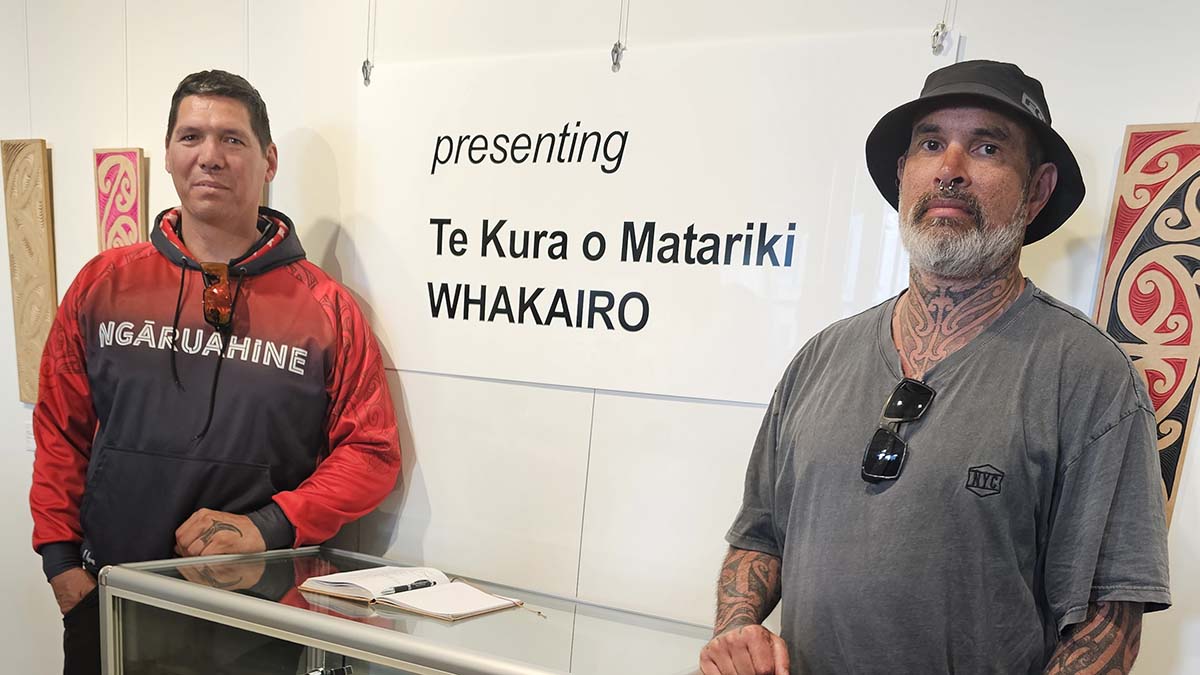
Wānanga Celebrates Toi Whakairo Ākonga
Published date : Thu, 20 November 2025 10:32 amĀkonga of Te Whare Wānanga o Awanuiārangi’s Te Pou Hono ki Toi programme took centre stage with their inaugural exhibition ,Te Kura o Matariki Whakairo, in Hāwera, Taranaki.