Emeritus Professor Jane Kelsey to Guest Lecture
Wānanga Welcomes Emeritus Professor Delivering Paper on Constitutional Transformation
Emeritus Professor Jane Kelsey joins Te Whare Wānanga o Awanuiārangi as a guest lecturer in 2026, delivering a new Master’s paper that brings critical Māori constitutional thinking into the international arena, examining how global trade and investment agreements intersect with Mana Motuhake, Te Tiriti o Waitangi, and Indigenous self-determination.
Mana Motuhake and Treaty-Making in the International Trade Space invites tauira to engage critically with and question how these agreements shape and sometimes constrain Aotearoa’s ability to uphold Tiriti o Waitangi obligations.
Professor Jane Kelsey is an academic and activist with an international reputation for her work on trade, constitutional change, and Indigenous rights. She is the principal technical pūkenga for Ngā Toki Whakarururanga, a Tiriti-based initiative that emerged from the Waitangi Tribunal’s Wai 2522 (TPPA) inquiry and works to build Māori leadership and expertise in international trade and treaty-making through tertiary teaching and iwi, hapū-based wānanga.
Her involvement in this work brings a deeply grounded Tiriti perspective to the paper. She says, “People hear ‘trade’ and often switch off. They think it’s about dairy and logs. But trade and investment agreements affect everything from rongoā and music to data sovereignty and the climate crisis.
“These rules don’t just operate ‘out there’. They shape what happens back here in Aotearoa, often overriding Māori rights and responsibilities.
“When the Crown claims the exclusive right to decide these matters, in breach of He Whakaputanga me Te Tiriti, it denies the exercise of mana motuhake in deciding what is negotiated, with whom, and whose values and responsibilities are reflected in those agreements.”
Grounded in this whakaaro, Professor Kelsey goes on to explain:
“These agreements impose a Western worldview based on capitalism, profit, private property, individualism, patriarchy, and the exploitation of te taiao and kaimahi.
“That worldview excludes and overrides the fundamentals of mana, whakapapa, mātauranga, tikanga, and kaitiaki responsibilities.
“Transformation is not just about Māori having a right to participate in existing agreements.
“It means challenging the imposition of an alien worldview and advocating for positive alternatives, whether that’s Hua Parakore, Indigenous-to-Indigenous agreements, Māori data sovereignty and digital governance, or Indigenous solutions to the climate crisis.”
She also draws on the late Dr Moana Jackson’s rejection of the idea that Tino Rangatiratanga is separate from international treaty-making and challenged the legitimacy of a system where this authority sits exclusively with the Crown— a model she says is now in crisis.
“Moana Jackson was very clear that ngā rangatira had a long history, pre-colonisation, of making international agreements with other polities, whether hapū or foreign states. They did not, and could not, cede their mana or sovereignty to the Crown, and it is illegitimate for the Crown to claim that power.
“When we talk about constitutional transformation in Aotearoa, it therefore means reclaiming that authority in the international sphere as well as within Aotearoa.”
“The Crown claims the exclusive ‘Royal Prerogative’ power to speak for Aotearoa New Zealand internationally, exercised in practice by Cabinet.
“That claim has its origins in the Doctrine of Discovery — the idea that a hierarchy of civilisation justified colonial states seizing land and subordinating Indigenous peoples.
“That rationale was used here to set aside He Whakaputanga me Te Tiriti and justify the Crown’s prerogative power to make international treaties.
“As we’re seeing internationally, this model is in a state of crisis, making this a critical time to be debating and advancing alternatives.”
“A Tiriti-based approach that truly reflects tino rangatiratanga and the limited powers of kāwanatanga requires a power-sharing arrangement within Aotearoa that can then speak with a coherent voice internationally.
“There are different views about what that arrangement should look like, particularly within Te Ao Māori, from hapū-centric approaches to more formalised institutions.
“What constitutional transformation should look like in the international space is one of the exciting questions we will debate in this course.”
This special topic is offered within the Master's programmes, with a limited number of places available to enrol as a standalone paper.
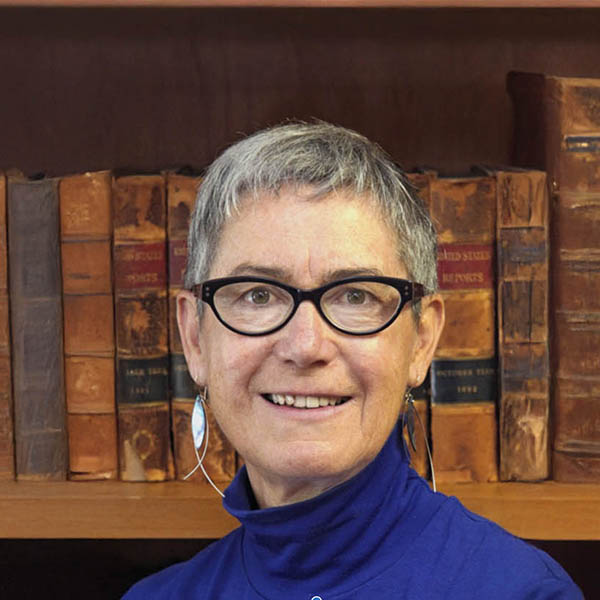
Emeritus Professor Jane Kelsey will be guest lecturing at Te Whare Wānanga o Awanuiārangi
Find out more about our Master's degree programmes
Master of Indigenous Studies
Master of Māori Studies
Whakapā mai/Contact us
For enquiries, please contact:
Related News
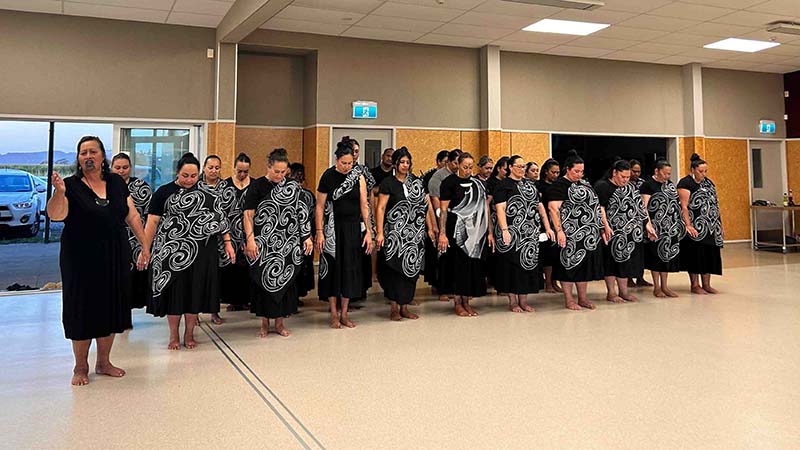
Ngā Uri o Awanuiārangi Kapa Haka Prepare for Regionals
Published date : Mon, 23 February 2026 02:16 pmEmbodying the enduring connection between the three Ngāti Awa whare: Te Whare Wānanga o Awanuiārangi, Te Rūnanga o Ngāti Awa and Ngāti Awa Social and Health Services.

New Māori AI Research Scholarship Launched by Awanuiārangi
Published date : Thu, 19 February 2026 03:27 pmAwanuiārangi has launched a $30,000 scholarship to grow Māori leadership in artificial intelligence, supporting culturally grounded, critical AI research.
Christmas closure information 2025-2026
Published date : Mon, 15 December 2025 04:22 pmTe Whare Wānanga o Awanuiārangi wish to advise of our festive season closure hours and dates.
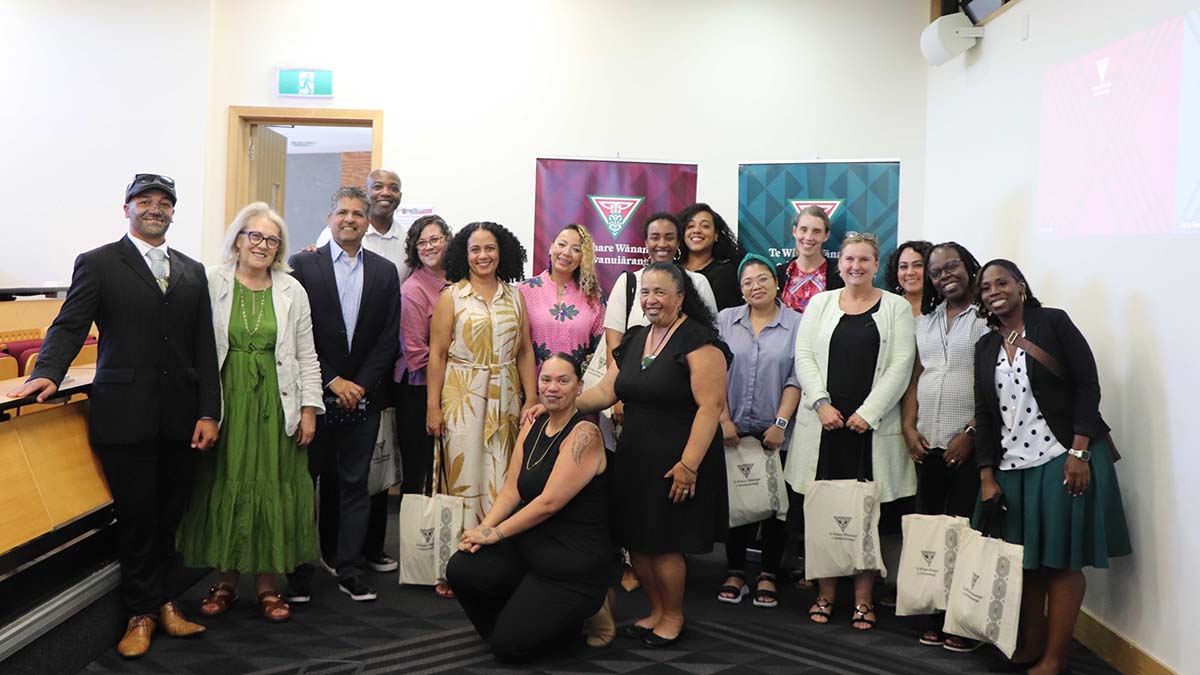
Global Philanthropic Leaders inspired by Wānanga education model
Published date : Wed, 10 December 2025 03:18 pmA delegation of 12 international philanthropic leaders have been inspired by the way that indigenous worldviews are actively shaping educational change in Aotearoa. The group was hosted by Awanuiārangi this week as part of Systems Change in Context: Māori Education Transformation in New Zealand, led by Distinguished Professor Linda Tuhiwai Smith.