Climate Change Summit 2025
Summit Highlights Power of Mātauranga Māori in Climate Action
Te Whare Wānanga o Awanuiārangi brought together Māori leaders, scientists, and climate practitioners last Friday for the Koanga: Climate Change Summit 2025, a gathering focused on indigenous-led responses to the intensifying impacts of climate change.
The summit, inspired by indigenous research led by Awanuiārangi Professor Taiarahia Black and Postdoctoral Fellow Dr Hone Te Rire, explored the integration of geoscience with mātauranga Māori to protect the environment and build resilient communities.
The day featured kōrero from a panel of community and thought leaders, including Dr Chris Massey, Dr Wayne Ngata, Jock Walker, Victor Walker, and Whitiaua Ropitini. Each offered unique insights into climate challenges, adaptation, environmental protection, and whānau-centered resilience.
Dr Chris Massey of Earth Sciences New Zealand provided critical data insights highlighting the increasing landslide risks associated with today’s extreme weather events, and why accurate mapping is essential for effective mitigation.
Dr Massey said, “New Zealand doesn’t have the money or the knowledge to engineer mountains so, avoidance is an important mitigation strategy.
“Identifying, mapping and avoiding landslides is a cost-effective way to reduce exposure to hazards. We don’t want to avoid one landslide and move into another hazard area. This is where mapping becomes essential.”
Education and governance leader, Dr Wayne Ngata, highlighted how marae continue to serve as cultural and strategic anchors, sharing an iwi-hapū, marae-led initiative already in motion in response to current climate impacts and those projected for the future.
“Some of our solutions aren’t theoretical,” he explained. “They're real, practical actions. What we’re doing isn’t new. The generations before us lived through extreme changes. We go to where the resources are and move away from danger— that’s what our people did.”
Director of the Ūawanui Environmental Sustainability Project, Victor Walker, and co-Chair of Puketāwai Marae, Jock Walker, from Uawa, shared how traditional frameworks continue to guide their community-led responses to severe weather events, shaping both immediate action and long-term resilience planning.
They outlined a comprehensive 100-year mitigation strategy designed to reduce the impacts of flooding and storms. The strategy is grounded in mātauranga, environmental stewardship, and building local capability through initiatives such as a native nursery and their Eco Warriors, Eco Cadets and Eco Leaders programmes.
Victor says,
“True sustainability lies in the generation of our rangatahi who will be the future stewards. Our role is to ensure they have the knowledge, skills and cultural grounding to lead the solutions our communities will rely on.”
Whitiaua Ropitini, Lead Project Manager for the relocation and rebuild of Rangatira Marae, spoke to the deep, intergenerational impacts that climate change is having on communities already shaped by colonisation, urban migration and the displacement of hapū from their whenua tuku iho.
He reflected on how the devastation of Cyclone Gabrielle erased not just buildings but layers of history and identity.
“Our marae are more than buildings; they’re the repositories of our stories and whakapapa. When they’re damaged or destroyed, we lose part of ourselves. Rebuilding isn’t just construction. It's restoration of who we are, so our mokopuna can stand with confidence in the generations to come.”
Professor Black gave a powerful summary in his closing remarks, describing the summit as a moment that calls people to reflect on the past, step into their responsibilities for the future, and recognise the essential relationship between mātauranga Māori and science.
He noted that each keynote speaker offered a transformative vision of resilience embedded in whakapapa, science, mātauranga Māori, and collective action.
“Today reminds us that humanity stands between remembering and responsibility. We must hold both if we are to move forward with clarity and purpose.
“Geoscience sharpens what we are observing, but culture anchors our purpose. When these two disciplines work together, our communities are better equipped to respond to the challenges ahead.”
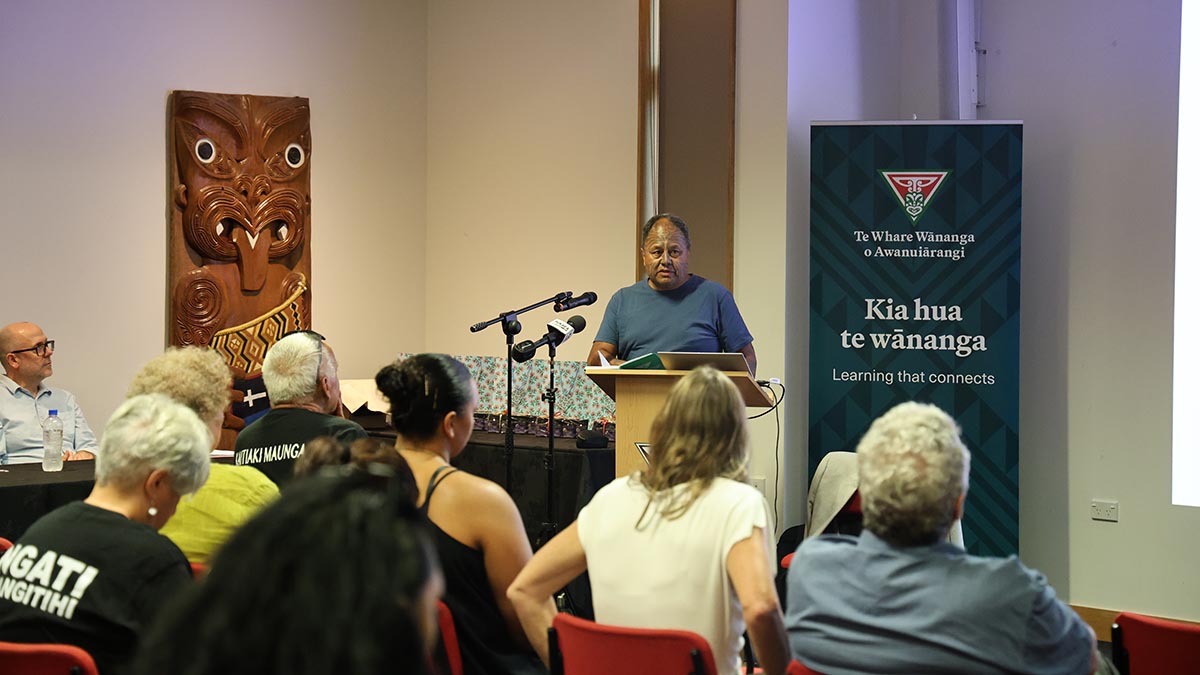
Dr Wayne Ngata reminds us that marae are not simply structures, but repositories of history and whakapapa
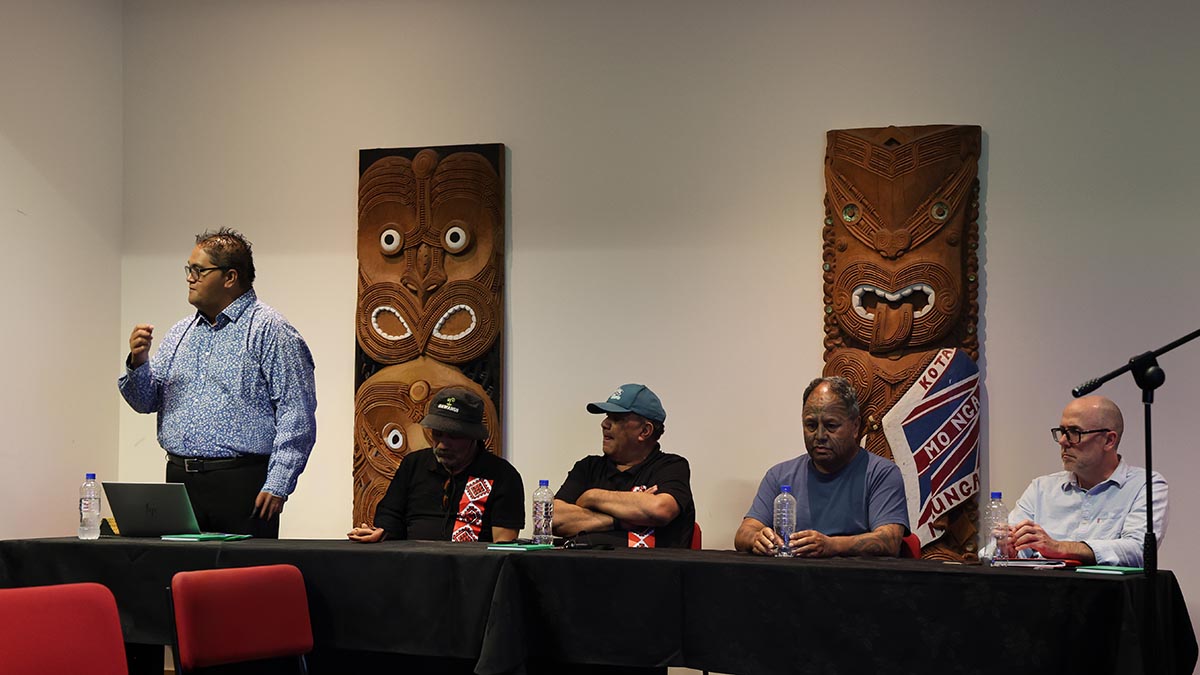
Whitiaua Ropitini talks about the devastating impacts of Cyclone Gabrielle.
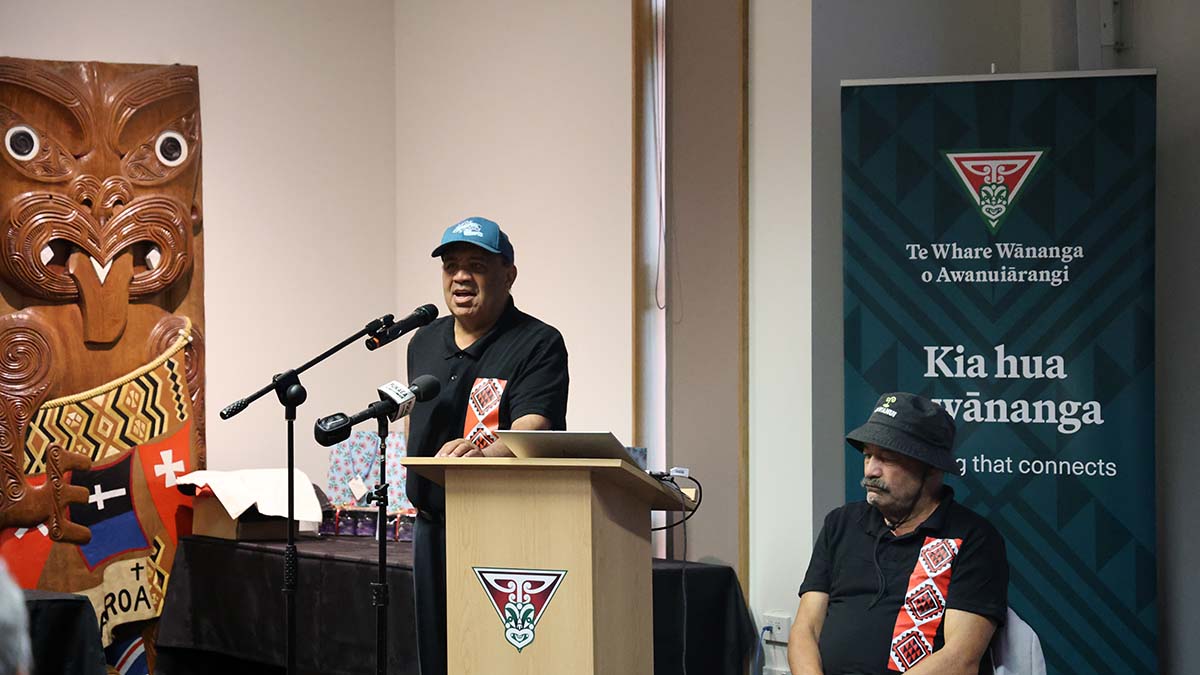
Victor and Jock Walker share a powerful presentation of resilience.
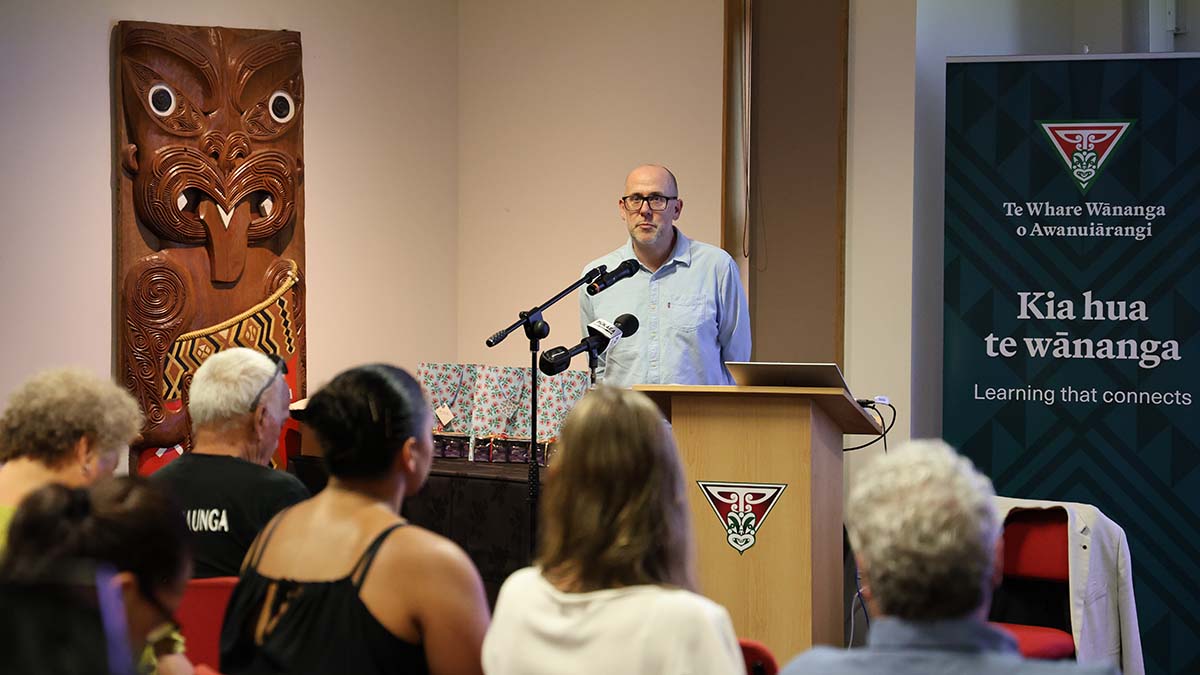
Dr Chris Massey share's critical data insights to be considered for climate change responses
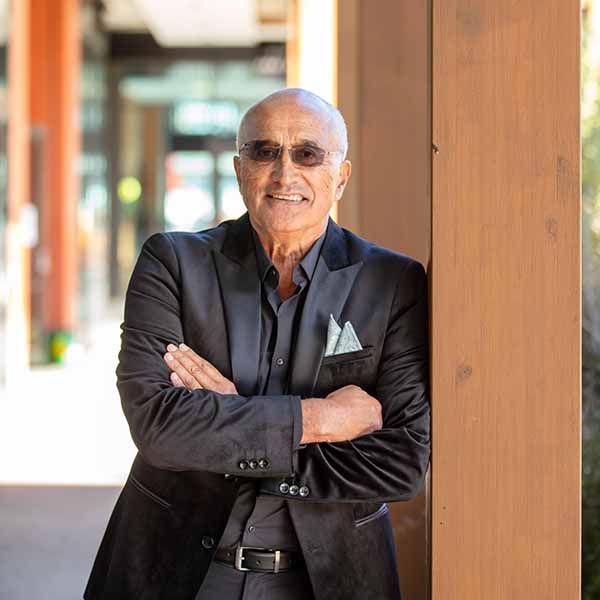
Professor Taiarahia Black
Whakapā mai/contact us
For enquiries, please contact us
Hope Rolleston
- Phone: 027 236 6316
- Email: hope.rolleston@wananga.ac.nz
Related News
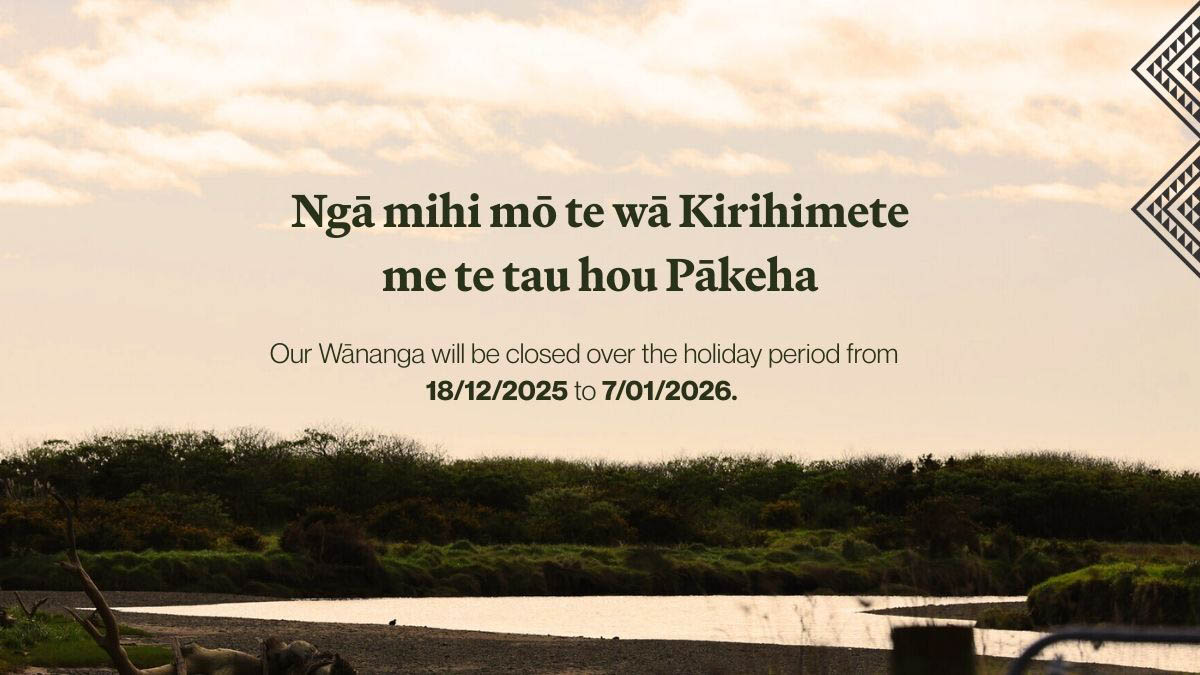
Christmas closure information 2025-2026
Published date : Mon, 15 December 2025 04:22 pmTe Whare Wānanga o Awanuiārangi wish to advise of our festive season closure hours and dates.
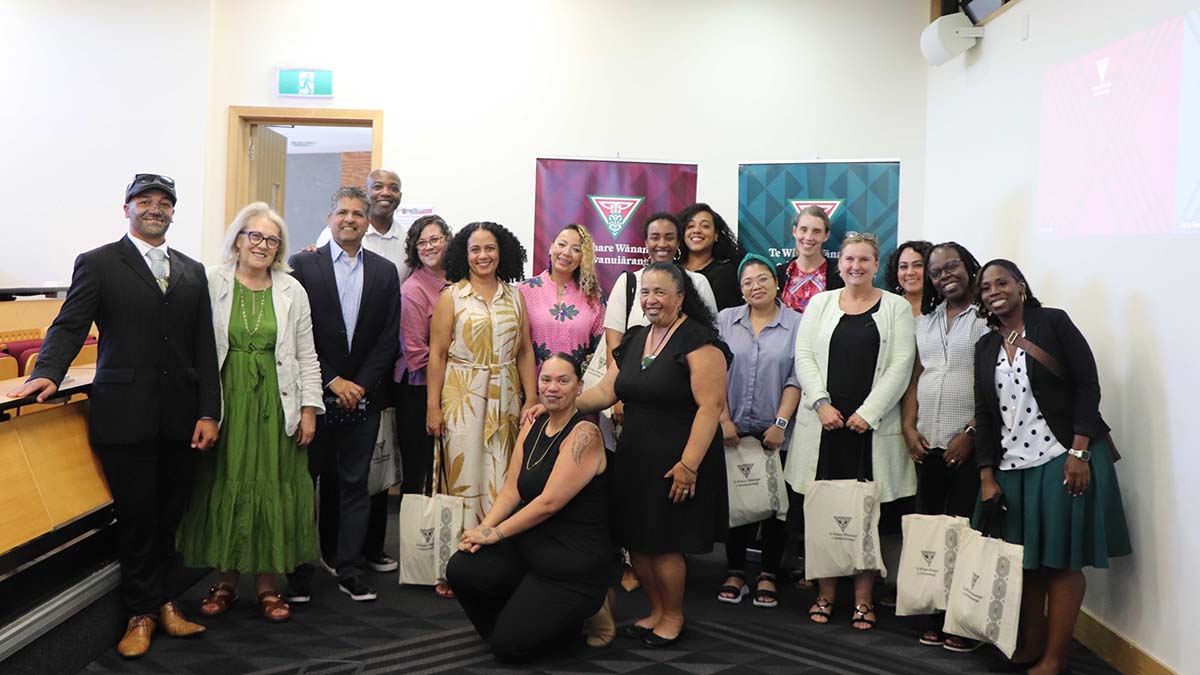
Global Philanthropic Leaders inspired by Wānanga education model
Published date : Wed, 10 December 2025 03:18 pmA delegation of 12 international philanthropic leaders have been inspired by the way that indigenous worldviews are actively shaping educational change in Aotearoa. The group was hosted by Awanuiārangi this week as part of Systems Change in Context: Māori Education Transformation in New Zealand, led by Distinguished Professor Linda Tuhiwai Smith.
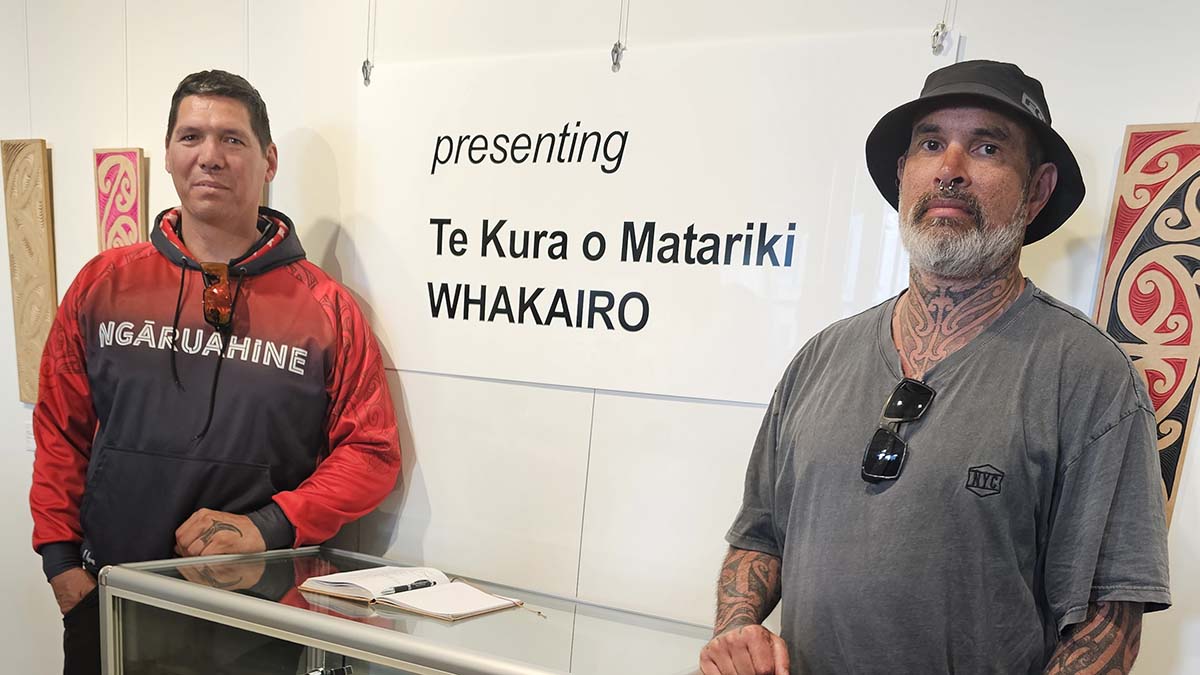
Wānanga Celebrates Toi Whakairo Ākonga
Published date : Thu, 20 November 2025 10:32 amĀkonga of Te Whare Wānanga o Awanuiārangi’s Te Pou Hono ki Toi programme took centre stage with their inaugural exhibition ,Te Kura o Matariki Whakairo, in Hāwera, Taranaki.
Wānanga Thought Leadership on the World Stage
Published date : Mon, 17 November 2025 11:28 amDistinguished Professor Linda Tuhiwai Smith will deliver a keynote address under the theme of Education Systems and Practice at WIPCE 2025